Home/Services

Services

We deliver the support required by law, reliably. Then we think through why workers would keep working with you, from both your worksite and their daily lives. Office Ray’s services are built on these two layers.

01Support

Support for Specified Skilled Workers

All 10 support items required by law,
delivered fully and reliably.

Companies that employ workers with Specified Skilled Worker (i) status, known as accepting organizations, are required to prepare a “Support Plan for Specified Skilled Workers (i)” covering the worker’s job and daily life, and to provide support under that plan. The law sets out 10 support items, from advance guidance to regular interviews. Each one is a foundation for the worker to work in Japan and build a life here.

Your company prepares the support plan, with Office Ray assisting. As a Registered Support Organization, we then take on all of the support, deliver it as planned, record how it is carried out, and compile those records for the regular notification.


A year of support

  1. BeforeEmployment contract and pre-arrival guidanceBefore the residence application, we explain working conditions and the job
  2. ArrivalArrival and settling inAirport transfer, housing and contracts, life orientation, and accompaniment to public procedures
  3. Every 3 monthsRegular interviewsWith the worker and their supervisor, at least once every three months. Consultation at any time
  4. April–MayAnnual notificationEvery April–May. When all support is entrusted to us, your company submits it jointly with Office Ray
  5. RenewalRenewal of the period of stayWe keep track of the deadline and guide you on the documents and timing
Two workers wearing safety harnesses on the roof of a white building
Photograph by Alexis Neb
01

Advance guidance

After the employment contract is signed and before the status of residence application is filed, we explain working conditions, job duties, entry procedures, and other matters in a language the worker fully understands.

02

Transportation on entry and departure

On arrival, we provide transportation between the airport and the worker’s workplace or home; on departure, we see the worker to the airport security checkpoint.

03

Support for securing housing and necessary contracts

We help secure housing, and guide and assist the worker with contracts for bank accounts, mobile phones, electricity, gas, and other services.

04

Life orientation

We explain the rules and etiquette of daily life in Japan, how to use and contact public institutions, what to do in a disaster, and more.

05

Accompanying to public procedures

As needed, we accompany the worker to procedures such as resident registration, social insurance, and taxes, and help prepare the paperwork.

06

Opportunities to learn Japanese

We share information on Japanese classes and learning materials.

07

Consultations and complaints

We take consultations and complaints about work and daily life in a language the worker fully understands, and offer advice.

08

Promoting exchange with Japanese people

We share information on neighborhood associations and local events, and help the worker take part.

09

Job change support (in case of downsizing)

When an employment contract ends for reasons not attributable to the worker (such as downsizing), we help the worker find their next job, for example by guiding and accompanying them to Hello Work (Japan’s public employment service offices) or licensed employment placement businesses, and by providing information on the procedures for leaving a job.

10

Regular interviews and reporting to authorities

We hold interviews with the worker and with their supervisor, each at least once every three months. If we learn of any violation of the Labor Standards Act or other laws, we report it to the relevant authorities.

With the consent of both the worker and their supervisor, regular interviews can also be held online. When an in-person interview is requested, we meet in person. Recordings are kept for at least one year after the employment contract ends.

Roles

The employer and the Registered Support Organization

Two chairs and a table in a white room filled with skylight

Your company is the employer.

Your company, which signs the employment contract with the worker, is the “accepting organization” (the organization the Specified Skilled Worker belongs to). You pay the wages, teach the work, and work alongside the worker every day; to the worker, your company is the face of the workplace.

Office Ray delivers the support entrusted to us in accordance with the law, records how it is carried out, and compiles those records for the regular notification. We believe that keeping each party’s role clearly visible is the surest form of support, for workers and for your company alike.
The employer

Your role as the accepting organization

  • Employing workers at pay equal to or higher than that of Japanese employees, and fulfilling the employment contract
  • Preparing the support plan (with Office Ray’s assistance)
  • Notifications to the Regional Immigration Services Bureau whenever required (such as when the employment contract is changed or terminated)
  • Annual regular notification (submitted jointly with Office Ray when all support is outsourced)
  • Meeting the standards set for each field (membership in the field council, and in construction, certification of the acceptance plan, etc.)
  • Day-to-day communication with the worker

The support organization

Our role as the Registered Support Organization

  • Assisting with preparation of the support plan
  • Providing support under the support plan
  • Interviews with the worker and their supervisor at least once every three months
  • Handling the worker’s consultations and complaints (in a language the worker fully understands)
  • Keeping and compiling records of the support provided

When all support is outsourced, the accepting organization is deemed to meet the standards for its support system (Article 2-5, paragraph 5 of the Immigration Control and Refugee Recognition Act). Fulfilling the employment contract and filing notifications remain your company’s responsibilities even when support is outsourced.

Flow

The process up to acceptance

Before the residence status procedures, each field has its own required procedures. In every field, membership in the field council is required, and some fields, such as construction, also require certification of an acceptance plan.

  1. 1Set the termsDecide job duties, wages, and housing, and sign the employment contract
  2. 2Field-specific proceduresJoining the field council, etc. In construction, also certification of the acceptance plan, JAC membership and registration in the Construction Career Up System
  3. 3Status of residence applicationApply to the Regional Immigration Services Bureau
  4. 4Start workFollowed by life orientation, post-acceptance training, and regular interviews

When welcoming workers from overseas, your company's staff apply as proxies; for people already in Japan, the workers apply themselves. Application documents are prepared by the worker and your company (or by a certified administrative procedures legal specialist or attorney you engage). In construction, your company applies for the acceptance plan to the Ministry of Land, Infrastructure, Transport and Tourism (only certified administrative procedures legal specialists and attorneys may act as proxies). Office Ray explains the system and required documents and assists in preparing the support plan. Review periods vary depending on the application and timing.

Routes

Paths to Specified Skilled Worker status

Moving from Technical Intern Training

Those who have satisfactorily completed Technical Intern Training (ii) are, in principle, exempt from the Japanese language test (with exceptions in some fields). If the skills they acquired in training are related to the work they will do, they are also exempt from the skills test.

Changing status within Japan

People already working as Specified Skilled Workers, or who have passed the required tests, apply for a change of status of residence and begin work.

Hiring from overseas

Workers who have passed the skills and Japanese language tests are welcomed from overseas. Each country has its own rules for entry procedures (workers from the Philippines are hired through sending organizations accredited by the Philippine Department of Migrant Workers (DMW)).

The employment contract: your company and the worker

The employment contract is concluded between your company and the worker. Office Ray does not provide job placement (matching job offers with job seekers). Once a hiring decision has been made, we guide you through the procedures and provide support.

Fields

Requirements by field

In addition to the standards set by the Immigration Services Agency, accepting organizations must meet standards set by the ministry responsible for each field. In every field, membership in the field council is required. Some fields add further requirements, such as membership in an industry body or certification of an acceptance plan. We first confirm what your field requires.

In construction, for example, a construction business license, JAC membership, CCUS registration, certification of the acceptance plan and monthly salary payment are required. Stay under SSW (i) is limited to five years in total, in principle. With SSW (ii), there is no limit on renewals, and workers who meet the requirements can live with their families (eligible fields for SSW (ii) vary).

02In-house

In-house support consultation

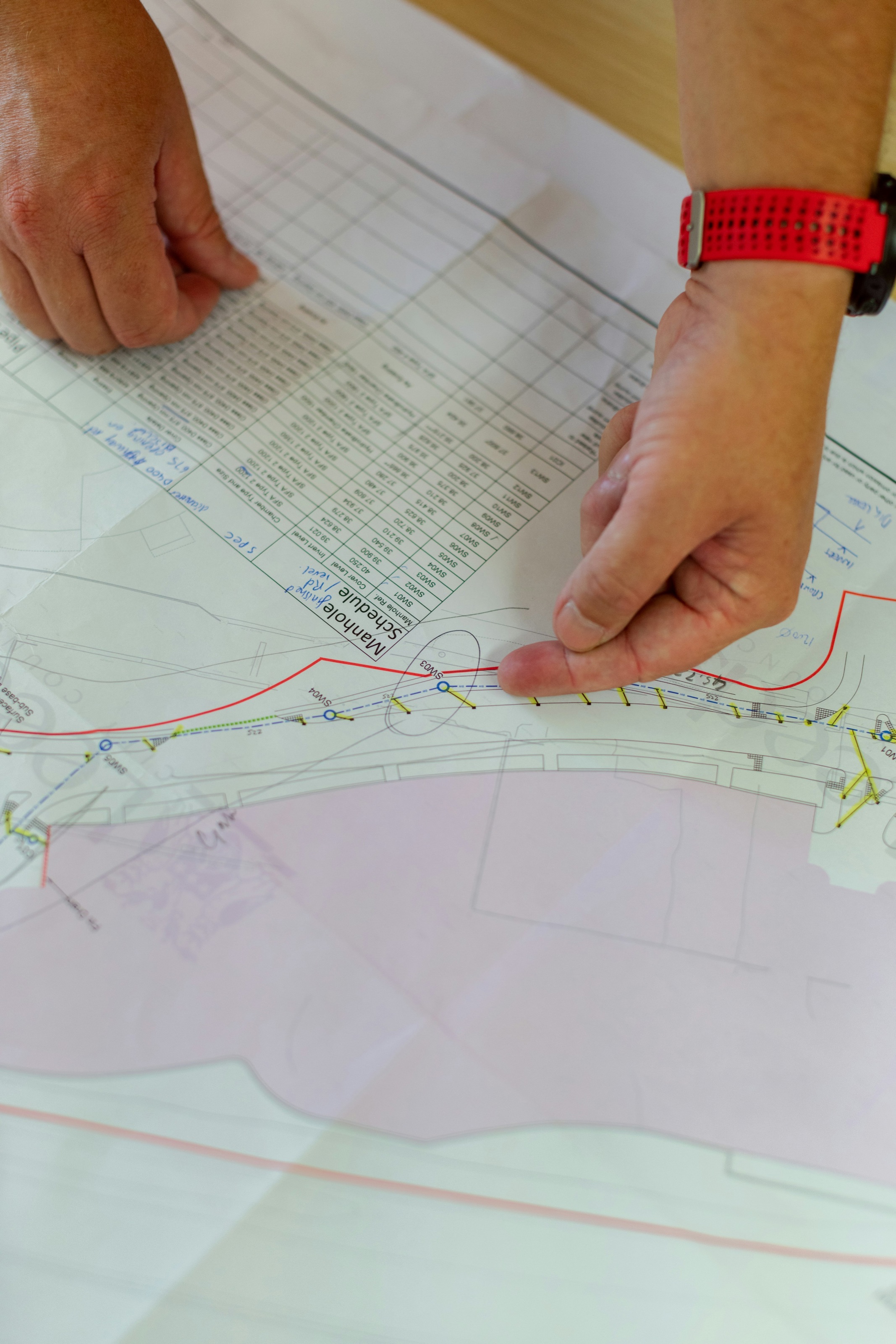
A hand tracing civil engineering drawings on a bright desk

Companies that can support their own people are strong.

If requirements are met, accepting organizations can also provide support themselves. When the company that sees the worker every day takes on support, small changes are easier to notice. From April 2027, however, new requirements apply to in-house support, such as appointing the support manager and support staff from full-time officers or employees.

Outsourcing or in-house support: neither is right in itself. We believe the choice depends on your company’s size and structure and how close you are to the workers. We welcome consultations both from companies already providing support in-house and from those looking to switch.

Building the structure

How to choose a support manager and support staff, and checking whether you meet the requirements for in-house support (such as a track record of accepting foreign nationals in the past two years, or experience in consultation work).

Support plans and records

How to approach the support plan, and how to keep support records. We also provide record templates (blank forms).

Interviews and notifications

How to conduct regular interviews, and an explanation of when and what to file with the Regional Immigration Services Bureau.

Switching from outsourcing

You can start by entrusting all support to us, then switch to in-house support once someone in your company has grown into the role.

Full outsourcing of supportIn-house support consultation
Who provides supportOffice RayYour company (with an appointed support manager and support staff)
Office Ray’s roleAssistance with preparing the support plan, plus support, interviews, and consultations under the planAdvice on setting up your structure and approach, and record templates
Best suited toCompanies hiring for the first time, or with limited administrative staffCompanies that already employ foreign talent and can assign someone in-house

In-house support comes with requirements, such as a track record of accepting foreign nationals in the past two years. From April 2027, additional requirements will apply, including appointing the support manager and support staff from among full-time officers and employees, and keeping the number of workers each support staff member supports below 50. The support manager and support staff must be people who are not in a position to supervise the worker. We will check whether your company qualifies during our consultation.

03Philippines

Hiring from the Philippines

Philippine procedures,
given equal weight.

To sign an employment contract with a Philippine national, procedures on the Philippine side must be completed, separate from Japan’s status of residence procedures. The Overseas Employment Certificate (OEC), which the worker obtains each time they leave the Philippines, is issued only after these procedures are complete.

When hiring Philippine nationals as Specified Skilled Workers, procedures on the Philippine side are required in addition to Japan’s status of residence procedures. This applies whether the worker is coming from overseas or is already in Japan. The process moves from a recruitment agreement with a sending organization accredited by the Department of Migrant Workers (DMW), to review and an interview at the Migrant Workers Office (MWO) of the Embassy of the Philippines in Tokyo or the Philippine Consulate General in Osaka, and then to registration with the DMW.

We offer consultation on preparing documents and moving the process forward. The MWO interview is attended by your company’s representative or by an employee authorized to act on the company’s behalf. Office Ray can advise on interview preparation and attend as a Tagalog/English–Japanese interpreter.

04Language

Interpreting and translation

Only when it is understood
does it become a promise.

Employment terms and job duties carry meaning as promises only once the worker understands them. The law requires that advance guidance and consultations be provided “in a language the worker can fully understand.”

Office Ray provides interpreting and translation between Japanese and Tagalog or English at the request of companies, for job interviews, explanations of employment terms, and any setting where accuracy matters. Fees are quoted based on the content and time involved.

Interpreting provided as part of support under the support plan (advance guidance, life orientation, consultations, and interviews) is covered by the support fee and is not a cost to the worker.

05FAQ

Frequently asked questions

A notebook and pen on a desk in window light
Photograph by Kelly Sikkema
01How does Specified Skilled Worker status differ from Technical Intern Training?

Technical Intern Training is a program for international cooperation through the transfer of skills; in April 2027, it will be replaced by the Employment for Skill Development system. Specified Skilled Worker is a status of residence for people with a certain level of skills and Japanese ability to work in fields facing labor shortages. Under Specified Skilled Worker status, workers can also change employers within the same job category (including between job categories confirmed through testing to share common skills), once they receive permission to change their status of residence.

02Do we have to outsource support?

Outsourcing is not mandatory. If the requirements are met, accepting organizations can provide support themselves. In-house support comes with requirements, such as a track record of accepting foreign nationals in the past two years, and from April 2027 further requirements will apply, such as having a full-time support manager and support staff. When all support is outsourced, the accepting organization is deemed to meet the standards for its support system.

03Can workers change employers?

Yes. Under Specified Skilled Worker status, workers can change employers of their own will, with permission to change their status of residence, within the same job category, among other cases. That is why we believe it matters to give workers reasons to say “I want to keep working here,” covering wages and evaluation, housing and daily life, language, and their outlook for the future.

04What changes when a worker moves up to SSW (ii)?

SSW (ii) is the status of residence for people engaged in work requiring proficient skills. There is no limit on renewing the period of stay, and workers who meet the requirements can live in Japan with their spouse and children. SSW (ii) is not covered by support under the support plan. Moving up to SSW (ii) requires confirming proficient skills through field-specific tests and other means (in construction, experience as a team leader is also required). We suggest sharing the path to SSW (ii) with workers while they are still in SSW (i).

05Who pays for support?

Support costs are borne by your company as the accepting organization. They may not be passed on to the worker, directly or indirectly. Actual expenses such as housing rent may be borne by the worker to the extent necessary. We set out the amount and breakdown of costs in our quote and in the outsourcing agreement.

06Can we hire people who have completed Technical Intern Training as Specified Skilled Workers?

Those who have satisfactorily completed Technical Intern Training (ii) are, in principle, exempt from the Japanese language test (with exceptions in some fields). If the skills they acquired in training are related to the work they will do, they are also exempt from the skills test. We also provide support for the move from Technical Intern Training to Specified Skilled Worker status.

Contact

Before you decide,
let's talk.

Whether to accept workers, outsource support or do it in-house —
we welcome consultations even before you have decided.

A sheer curtain letting in light by a window overlooking the sea

Work can bring light into people’s lives.